7 min read
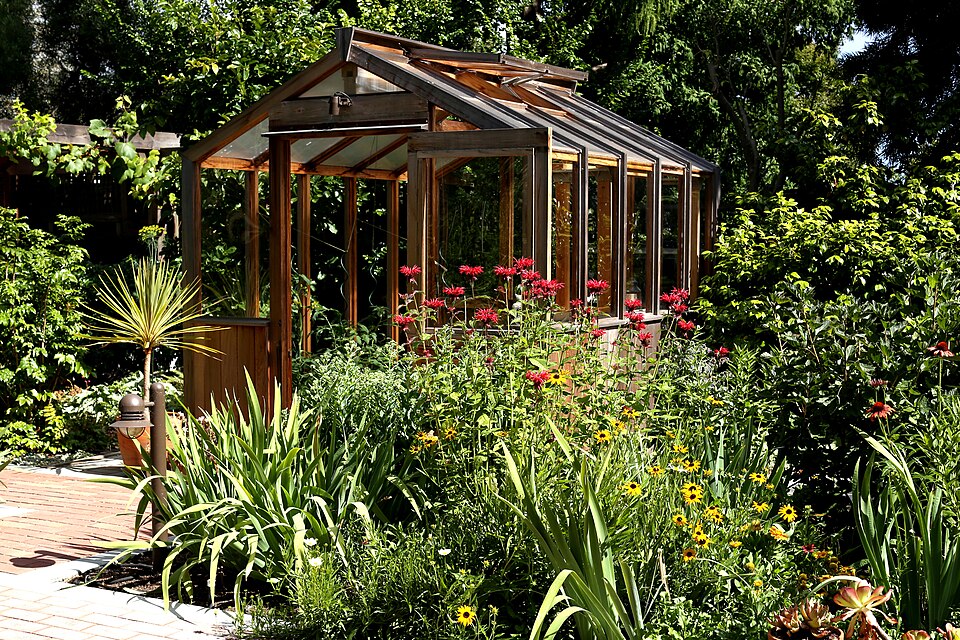
Open Up a Crowded Scarlet Bee Balm Patch
Identify the strongest edge of an old Monarda clump, make room for air and keep the route for inspecting leaves clear.

Planting guides for small plots, shade borders and the spaces in between.
Explore the guides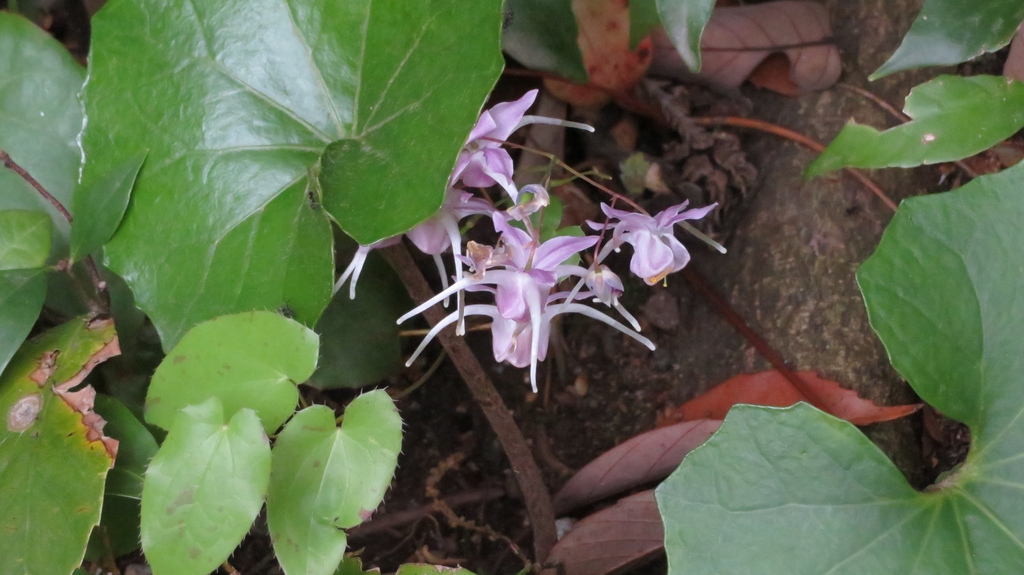
Soil & Care
Start with the soil and the growing conditions you already have.
7 min read
Identify the strongest edge of an old Monarda clump, make room for air and keep the route for inspecting leaves clear.
7 min read
Compare a green clump with a silver selection and see which part of the shade stays cool enough for lasting foliage.
7 min read
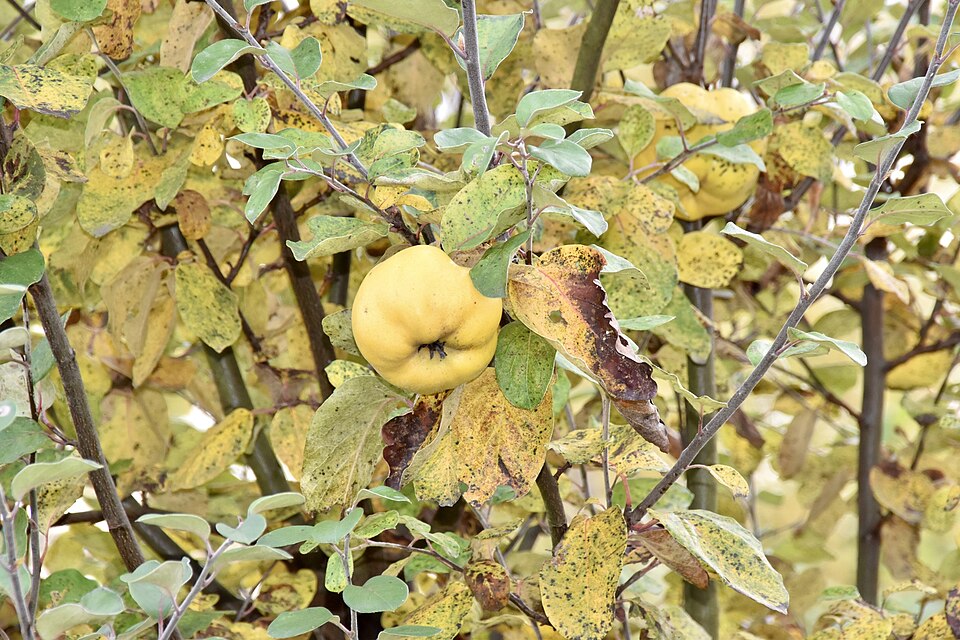
Choose a cultivar and rootstock for the available space, then use color, aroma and the forecast to plan the first picking.
7 min read
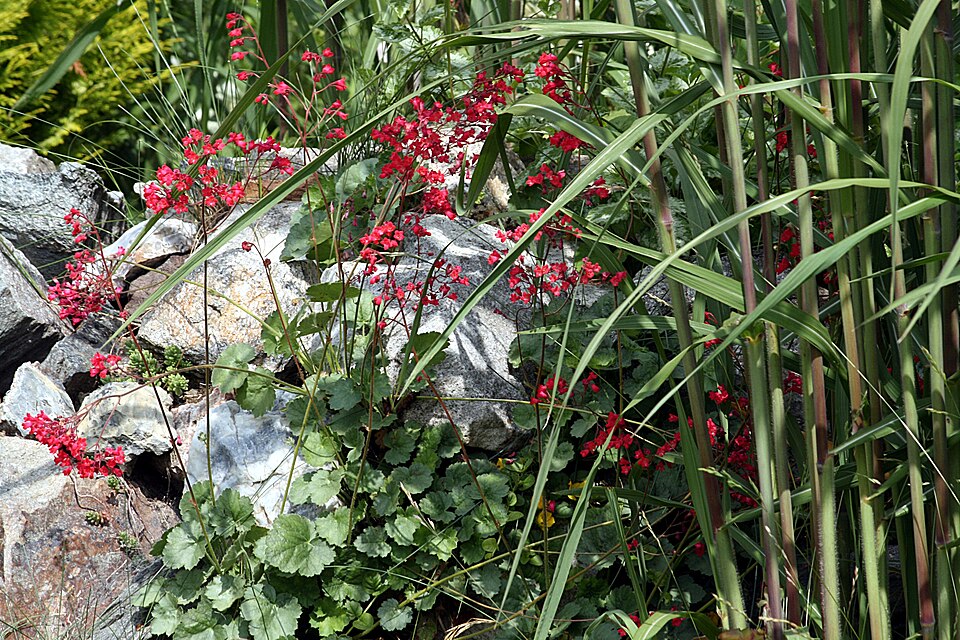
Inspect the exposed roots and the living center before you decide to replant, divide or look for an injury.
7 min read
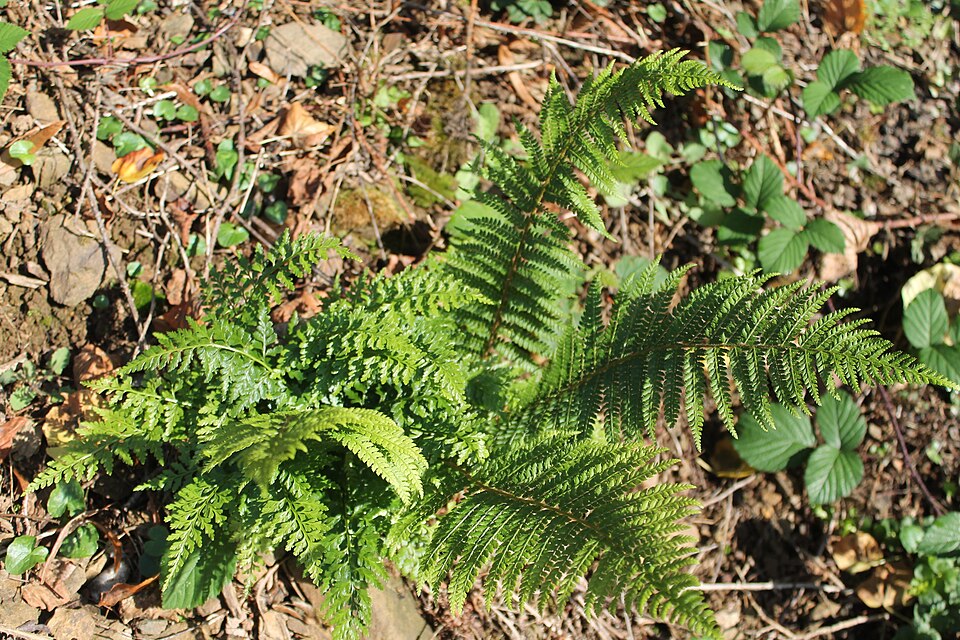
Try three positions before planting a long row, and compare how the fronds handle summer moisture, wind and traffic.
7 min read
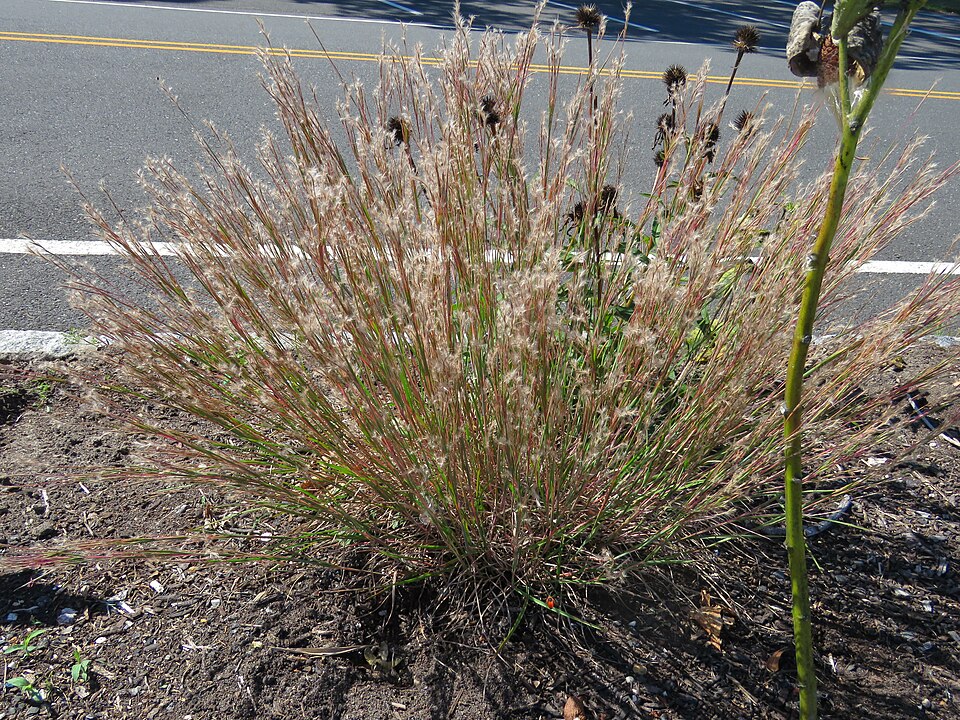
Measure the reach of the tall flowering stems and leave room to enjoy the grass through winter without narrowing the walk.
7 min read
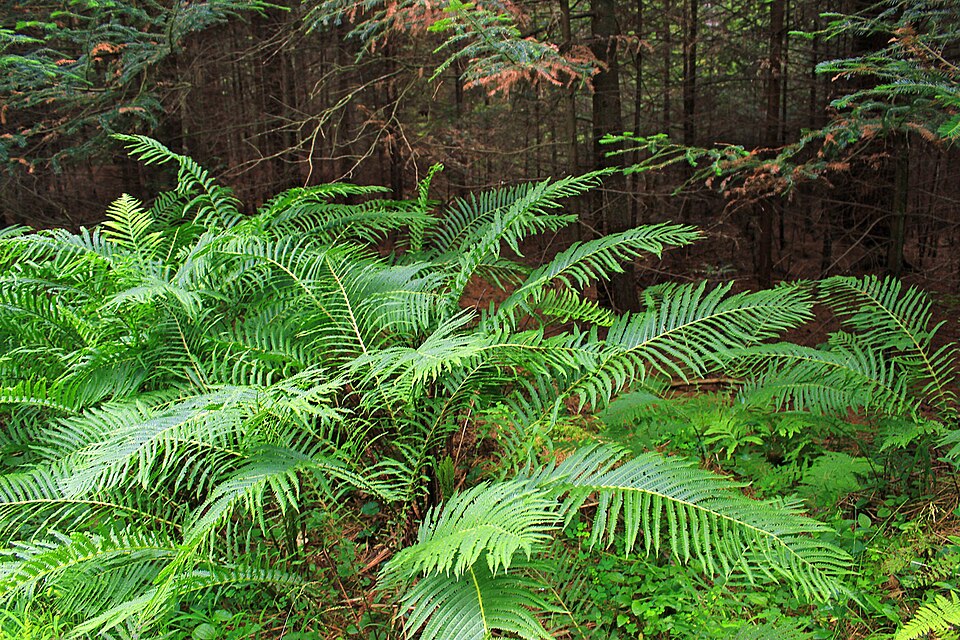
Use a broad damp bed for a running fern and keep enough access to inspect its outlying crowns each spring.
Find plants that earn their place through the season.

7 min read
Use a small marked planting to tell overwintered crowns from volunteers and decide how much golden color to keep.
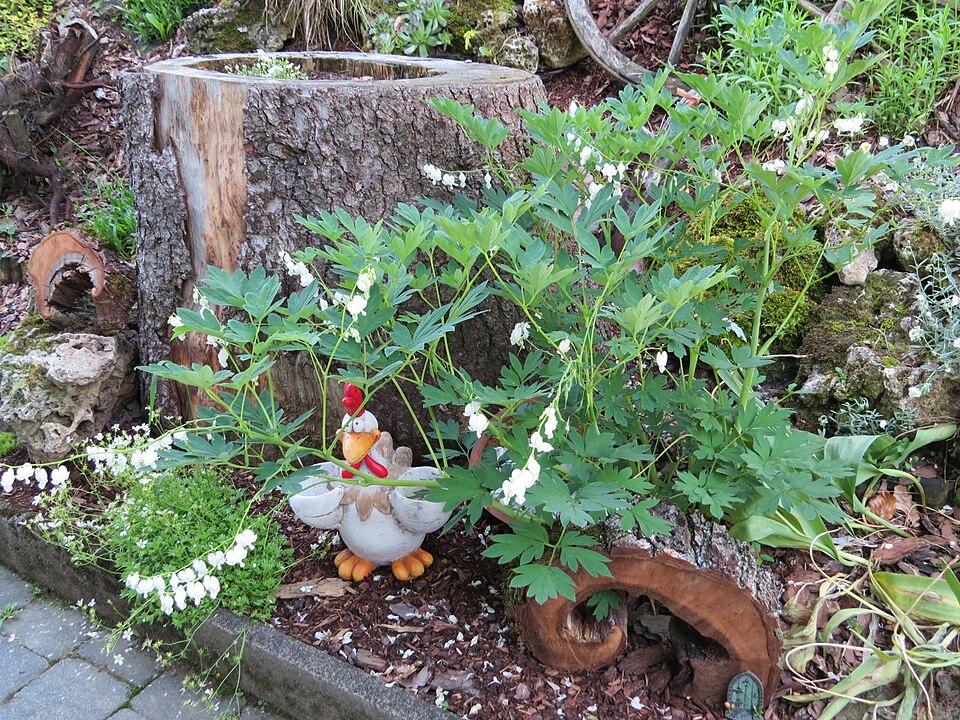
7 min read
Give an early spring clump a neighbor that fills the view after dormancy while leaving its next shoots room to rise.
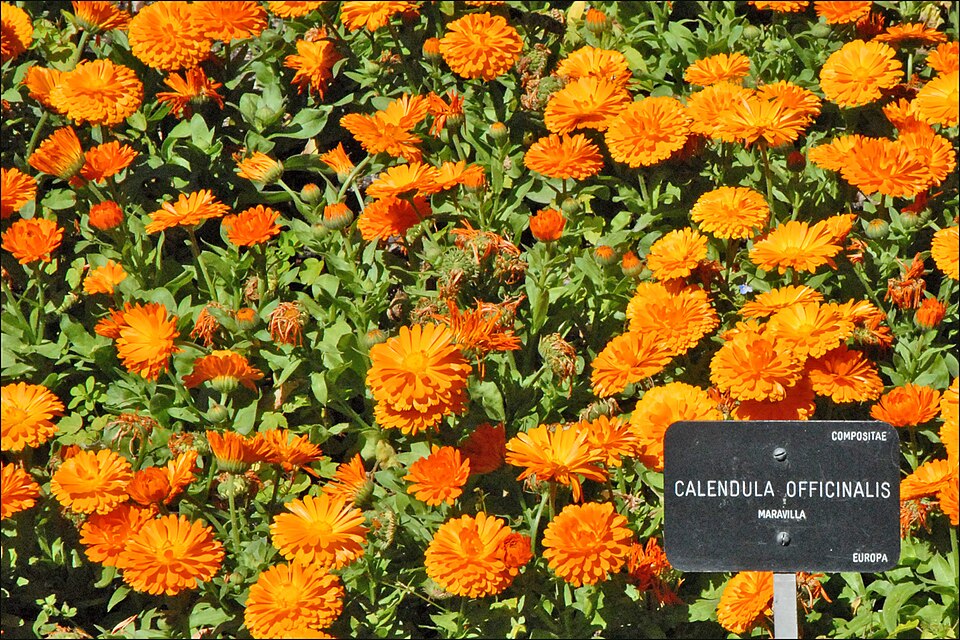
7 min read
Use two short sowings to color a sunny path, and decide whether the spring plants are worth keeping through summer heat.
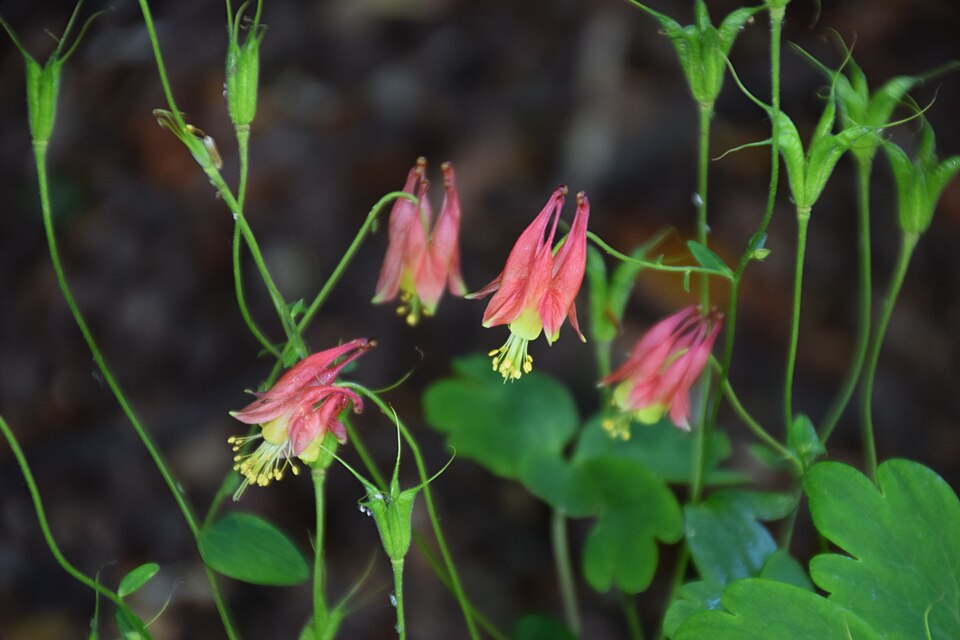
7 min read
Let selected seed capsules mature and make room for a few replacement plants without surrendering the path.
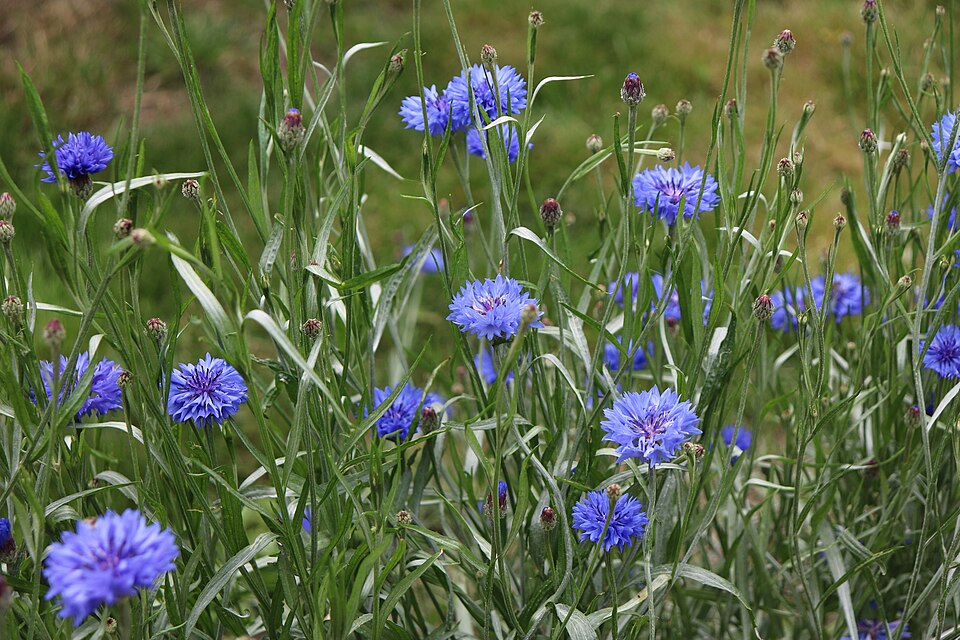
7 min read
Compare spring and autumn sowing where local conditions allow, and keep the cut flowers and fallen seed within reach.
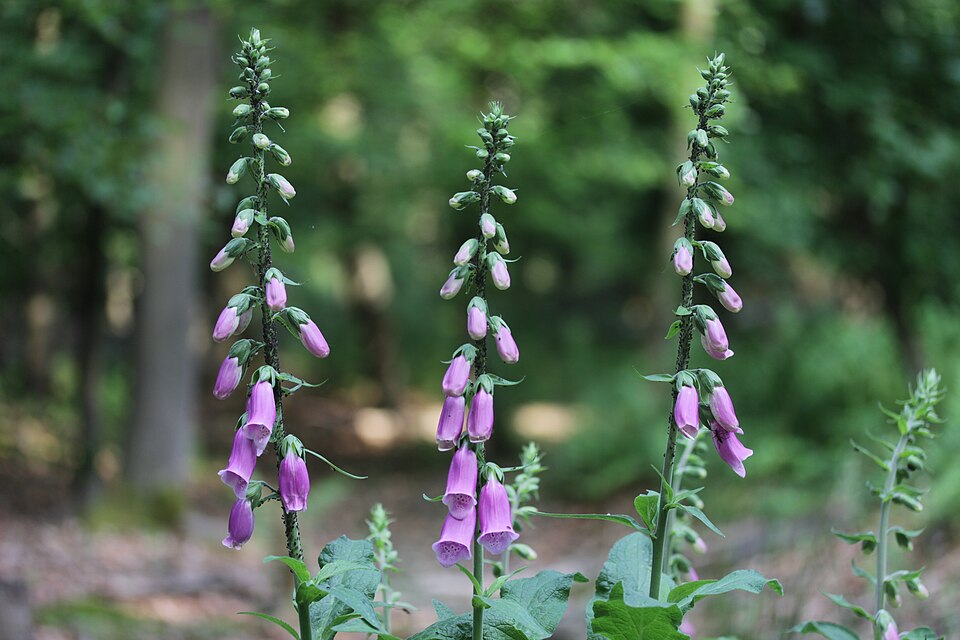
7 min read
Use separate labels for rosettes and flowering plants so a biennial display continues from one year to the next.
Make the most of the light you have at home.
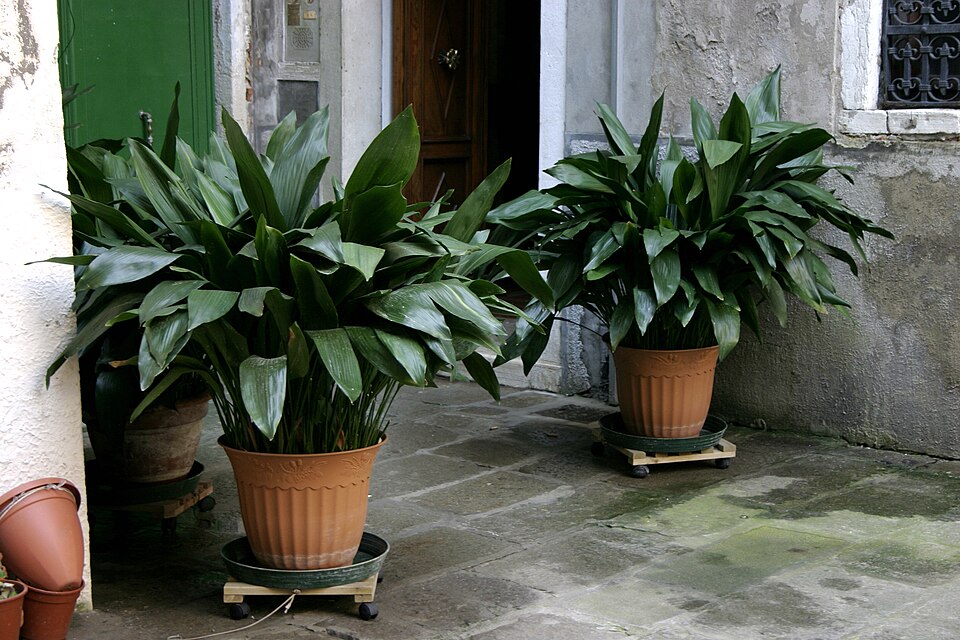
7 min read
Choose sections by their roots and growing points so a crowded Aspidistra can become two useful plants.
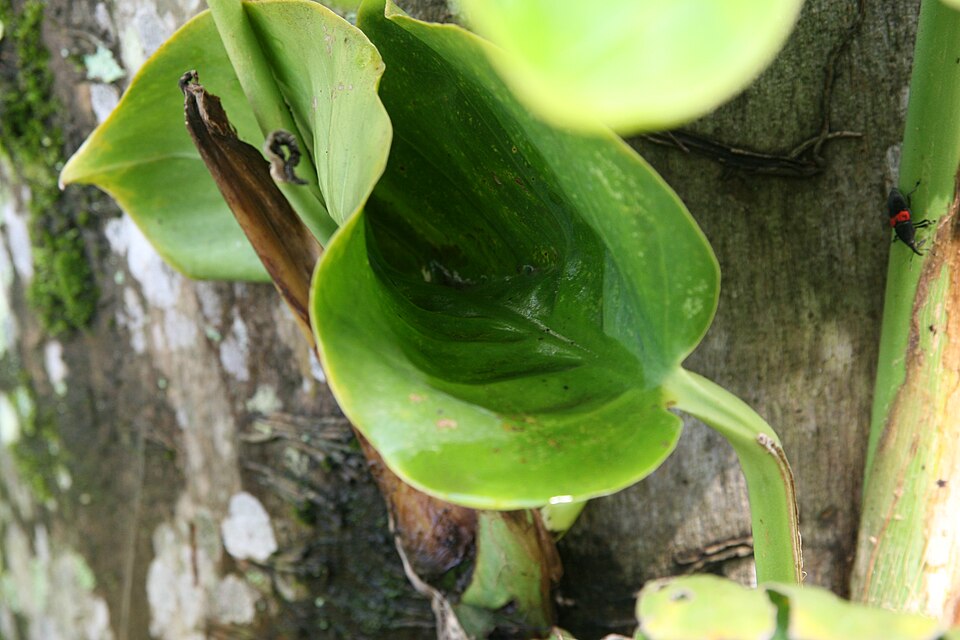
7 min read
Use two plants from the same vine to see how growing direction affects the leaves you can keep in your room.

7 min read
Fit a support to the plant’s main stem, keep its growing tip in good light and make a large pot easier to handle.
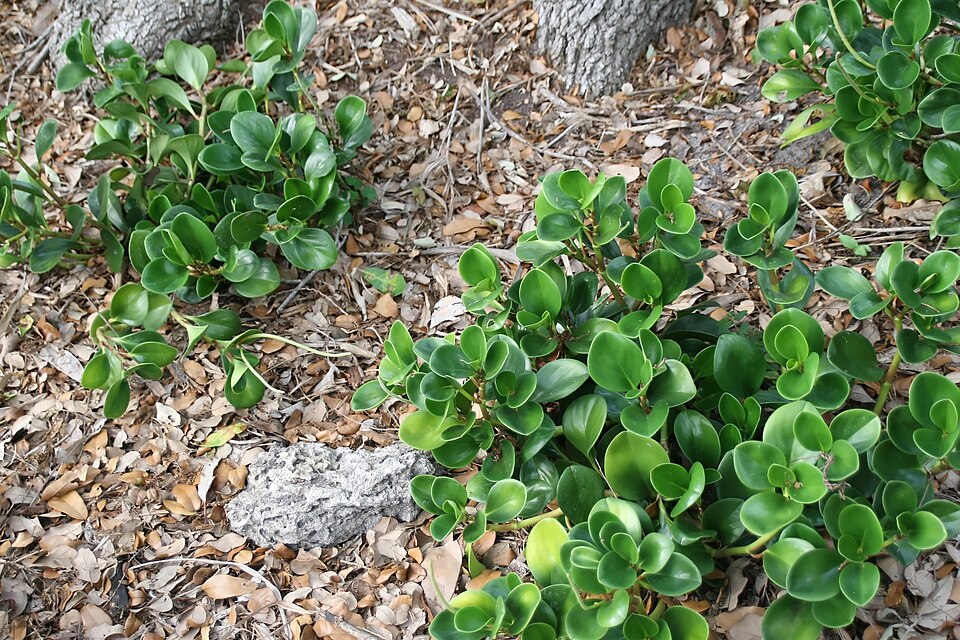
7 min read
Learn how the small root ball of a baby rubber plant dries and use that timing to choose its pot and position.
Put a doorstep, container or spare corner to work.
7 min read
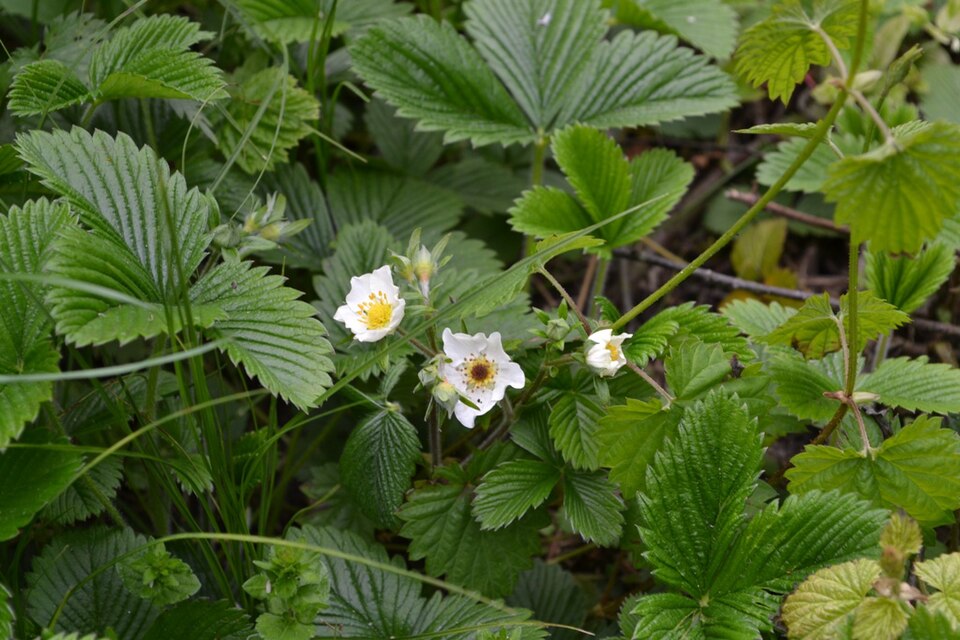
Choose a labeled compact selection, set its crowns at soil level and leave a clear reach to the small ripe berries.
7 min read
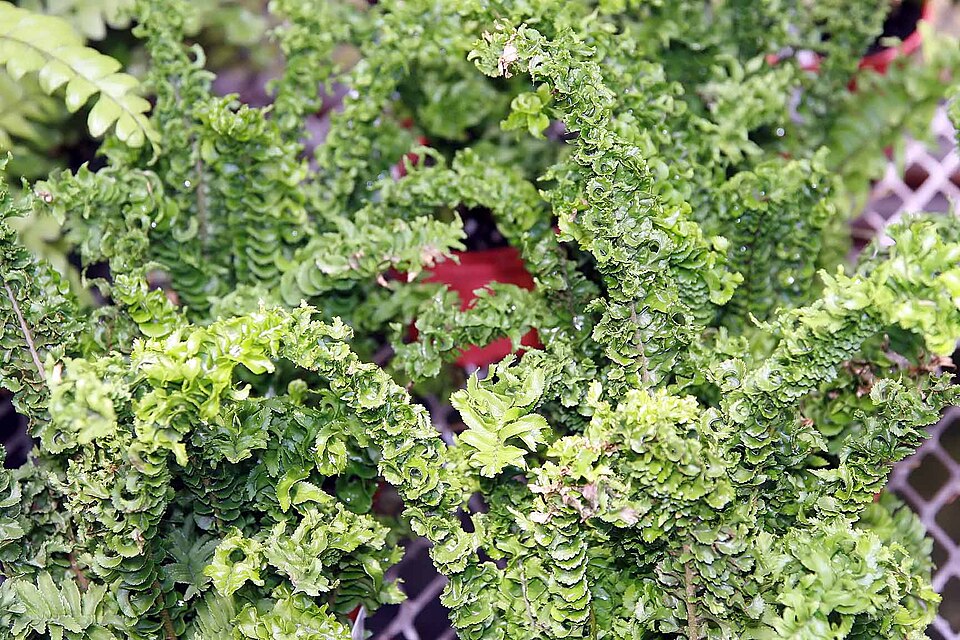
Set a summer fern where you can water it easily and make a realistic plan for its first weeks inside.
7 min read
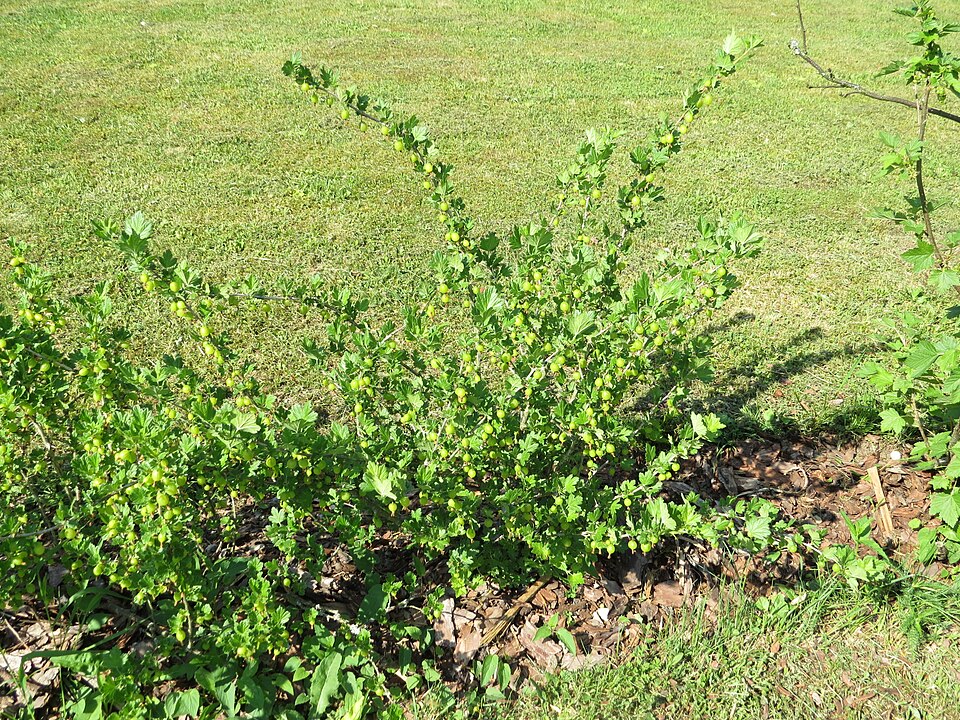
Keep the thorny center reachable, then choose a slightly underripe cooking crop and fully ripe dessert fruit by texture.
7 min read
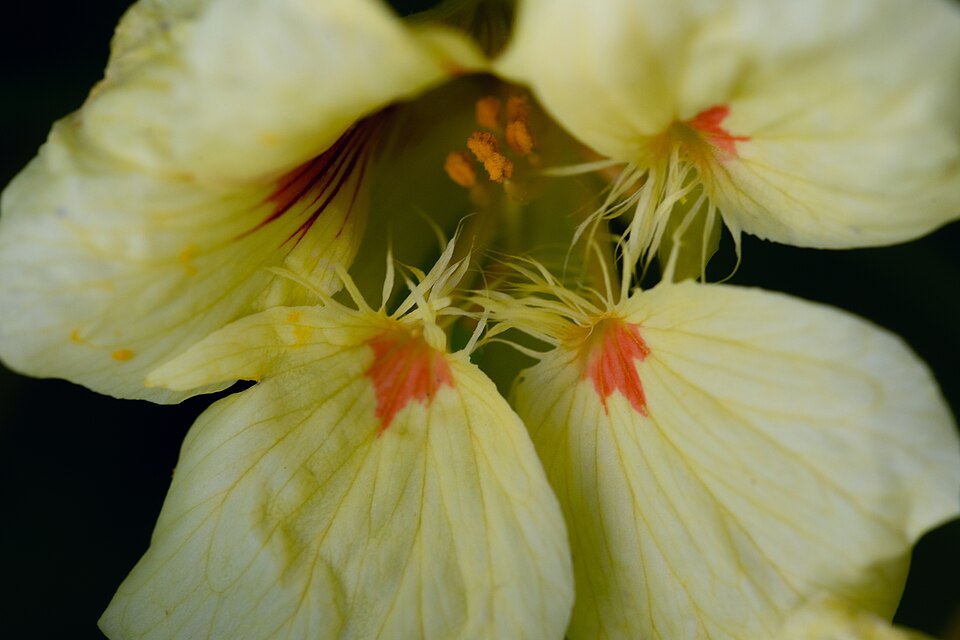
Grow one trailing nasturtium from a stable planter and guide its stems so the flowers show without occupying the walkway.
Grow a few useful plants for regular picking.
7 min read
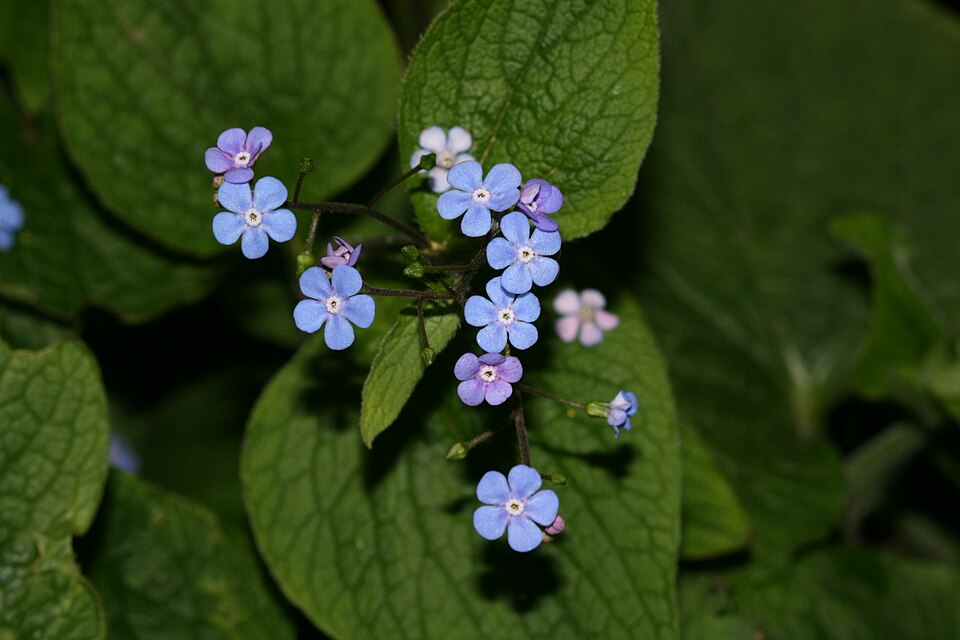
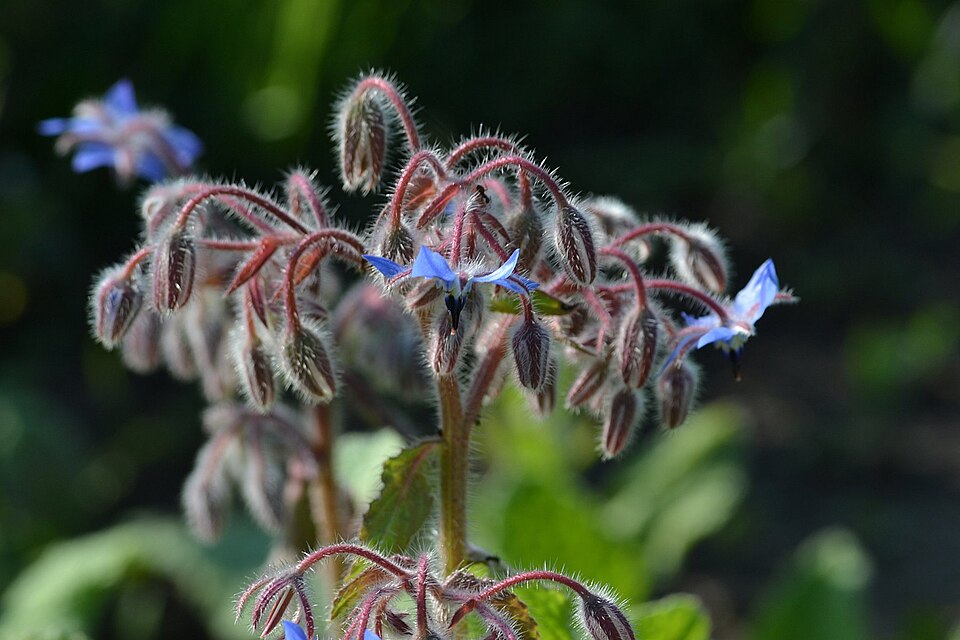
Plant a short patch for its blue summer flowers and decide where next year’s seedlings would be welcome before the first seeds fall.
7 min read
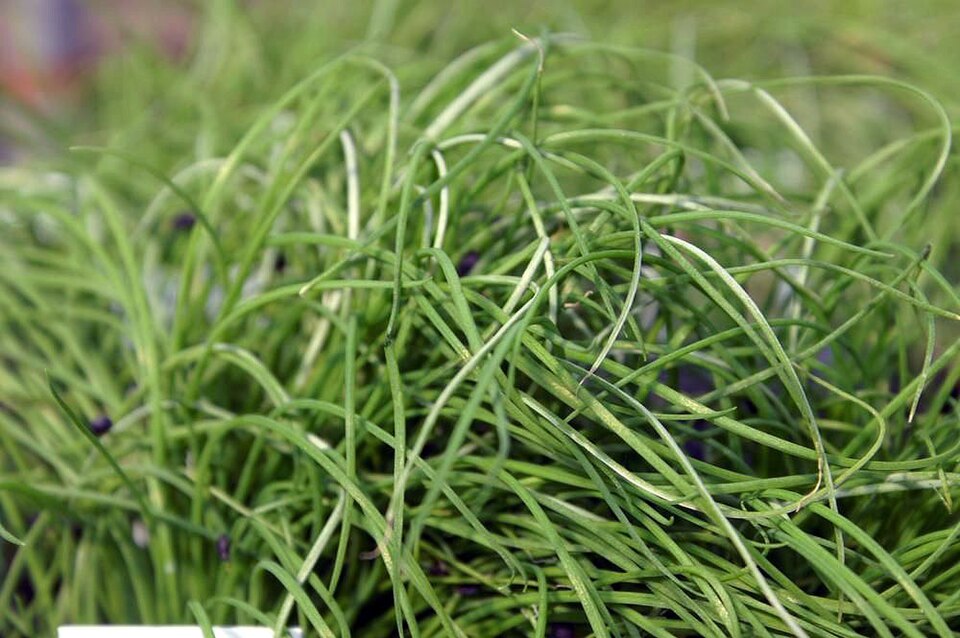
Make regular cuts from a harvest clump and let a second clump bloom without letting every flower set seed.
7 min read
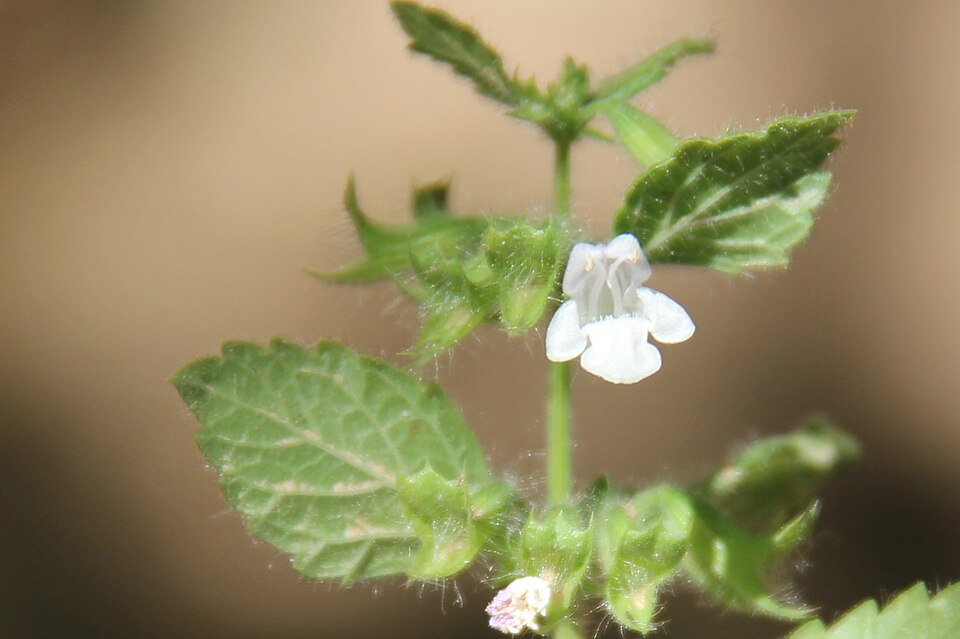
Manage fresh leaf harvests and prevent unwanted seedlings by making two different cuts at the right stages.

7 min read
Grow lemon verbena within easy reach in summer and bring the same plant through winter where frost is a concern.
7 min read
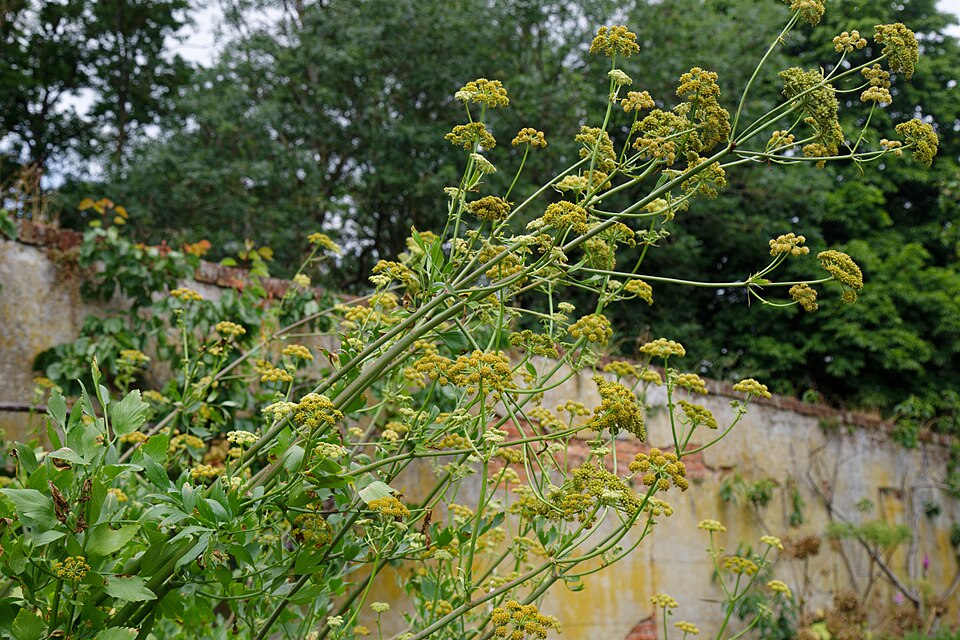
Place a tall lovage where a few tender leaves are within reach and the larger stems have light, room and manageable seed.
7 min read
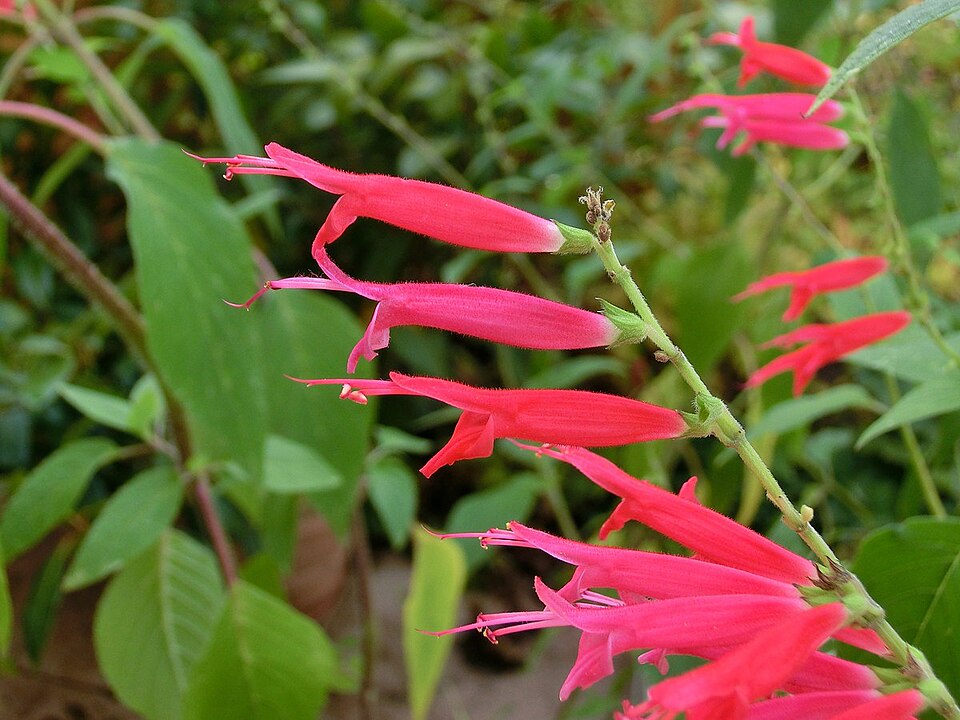
Set up a sunny planting for Salvia elegans and protect its late flower buds when your growing season is short.
Plan the bed around what you’ll enjoy harvesting.

7 min read
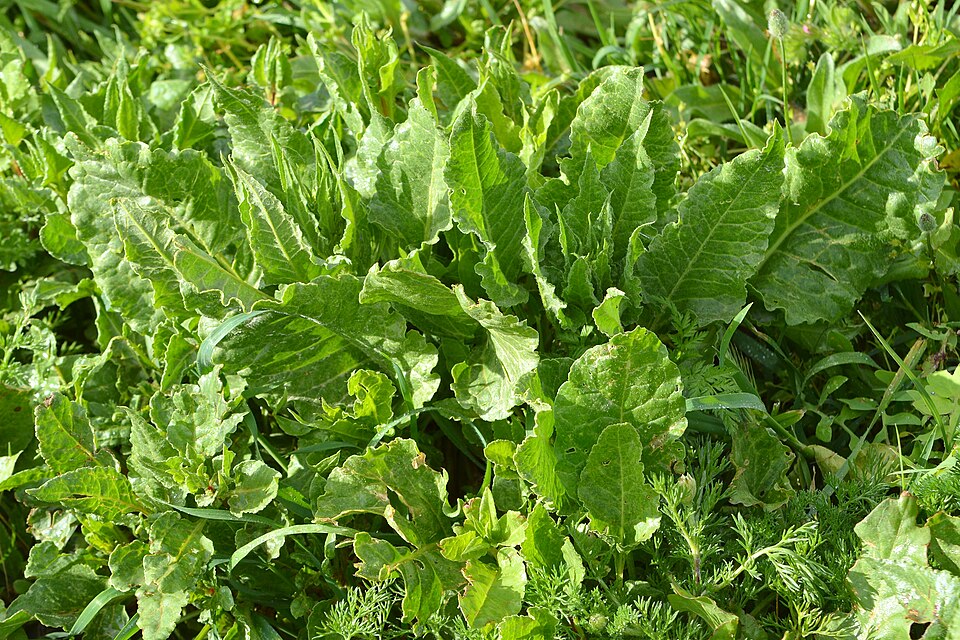
Choose a sunny permanent bed for the tall foliage, then work out when a new planting can support its first short picking season.
7 min read
Work with the clusters that come from ordinary beet seed and keep the strongest plants spaced for useful roots.
7 min read
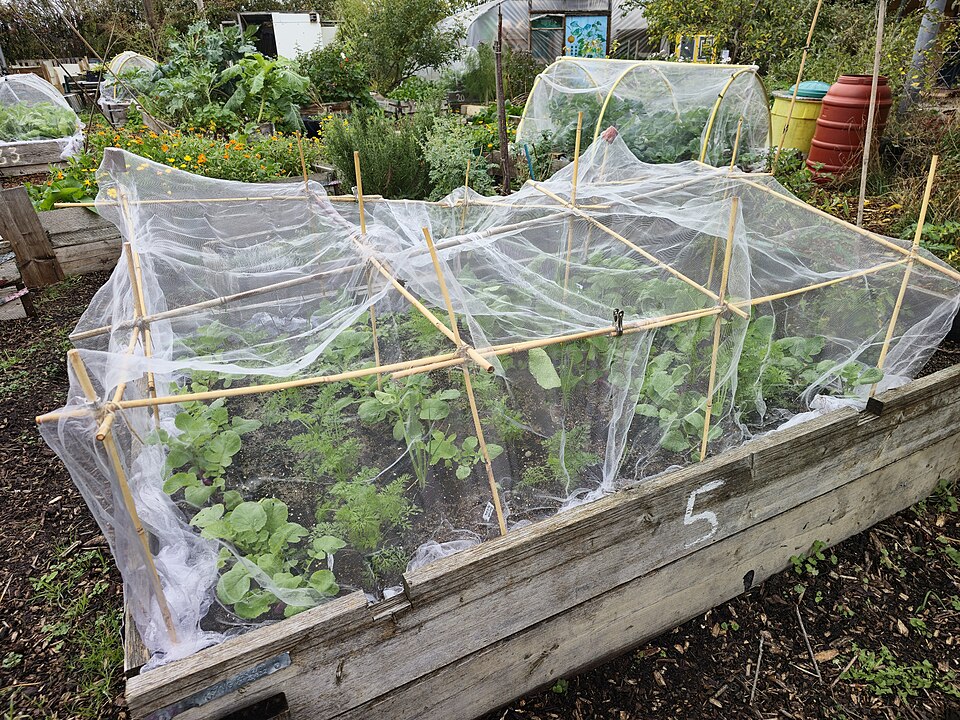
Build a cover you can open quickly, then compare short sowings for leaf damage and root texture before the weather turns hot.
7 min read
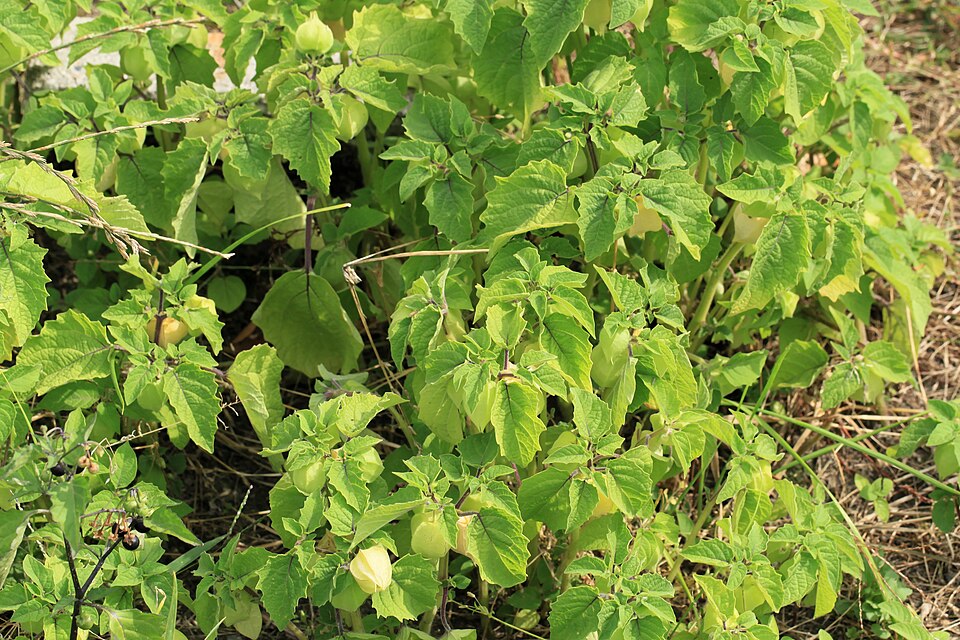
Give a sprawling plant room, keep its ripe fallen berries together and learn which fruit to leave or discard.