7 min read
Read a Peperomia Pot Before You Water
Learn how the small root ball of a baby rubber plant dries and use that timing to choose its pot and position.
On this page
A peperomia can look equally glossy on the day you water it and the day you should leave it alone. The thick leaves give few obvious signals at first, so use the pot. Lift it just after it has drained and again when it is approaching dry. Look between the decorative cover and the inner container. A few practical checks tell you more than picking a fixed day of the week. They also help explain why two plants that look nearly identical might need water at different times on the same shelf.
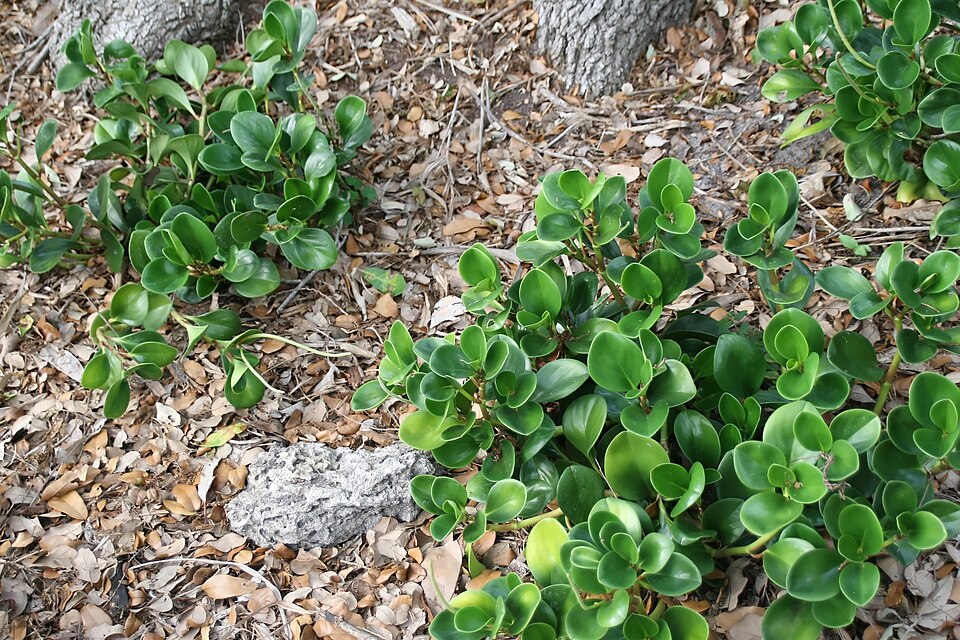
Baby rubber plant is a common name for Peperomia obtusifolia. The rounded, often cupped leaves arise on distinct stems. A green cultivar can tolerate a somewhat dim position for a time, but a bright place without strong direct sun generally produces better growth. Its thick leaves do not make it immune to trouble from an extended dry spell. Its roots also suffer where wet mix sits around them. Give it a position and container where you can tell the difference between those conditions.
Establish a useful dry weight
If the plant looks healthy, start with the pot it arrived in. Pull the nursery pot out of any cover, check that the drainage holes are open and lift the container. Insert a finger a short way below the top, or use a plain wooden skewer near the rim if you cannot reach far enough to assess it. A dry crust with a damp interior often feels heavier than it appears. Get used to both the moisture check and the weight. They reflect what the water is doing at different depths.
When the mix has dried sufficiently, water thoroughly and let all free drainage run away. Put the pot back only after emptying any saucer or decorative cover. Lift it again after drainage and notice the difference. You can use a kitchen scale if you want a more repeatable check. Record the relative change between the first moist and drier conditions in that pot. Avoid treating a precise number as a universal target. The scale will include the whole plant and pot, and fresh roots and leaves gradually change that weight.
Inspect again a few days after the first watering. If the outer edge is still cool and damp and the pot barely feels lighter, wait and see how the interior dries. If water went straight down the side of a shrunken root ball when you first poured it, that quick flow may have missed most roots. Apply water more slowly when the plant next needs it. A first small pour can settle into the mix before you finish watering. The aim is even wetting followed by a period of drying, with water free to leave the container.
Pick a position by looking at the newest leaves
Find a place with bright diffuse light and a predictable temperature. An open space near a window may suit a green peperomia while the corner below it is several degrees cooler and much darker. Strong sun through clear glass can make pale dry patches on exposed leaves. Move the pot gradually if the new position is noticeably brighter. Do the same check after the seasons change. An outdoor tree that shades a window in summer can expose that same plant directly to light later in the year.
Look at at least a few weeks of new growth before concluding that the light is adequate. A compact plant normally keeps sets of leaves reasonably close together. Changes in spacing, smaller fresh leaves or a slow lean toward the window can suggest revisiting the position. A variegated plant often needs a brighter placement than an all-green one. Inspect changes only after ruling out obvious moisture trouble. A plant that has stayed too wet can lose leaves even when its location is bright enough.
Try one change at a time. Shift the pot sideways out of the hottest sun while retaining a bright view of the window, or bring it forward on the same shelf where access is easier. Keep it away from a vent that dries one side and a very cold glass pane. Record one small new leaf as a reference. Its tip and margins are more useful to watch than an old scorch mark, which remains long after the light problem is resolved.
A desktop plant may spend weekdays close to a bright window and weekends behind a blind. If its position shifts regularly, test the mix toward the end of both periods and note the difference. An office that cools and receives little light when it is empty can slow drying. Arrange to water when you can see and empty the drainage, even if that means waiting for the next day the room is open. For two pots of the same plant, check each one separately. One may contain a fine nursery mix while its neighbor was recently potted into a blend with more bark. Matching leaves do not make the pots interchangeable.
Match the next pot to the roots
Remove the pot gently if you need to inspect the root ball. Support the base and tilt the pot instead of pulling upward by the stems. A young plant that has only recently entered its present pot may have a firm little center surrounded by fresh loose mix. Replace it at its previous depth and give those roots time to use what they already have. If there are many firm roots in the pot and it dries very rapidly after a thorough watering, consider moving it to a slightly larger container.
Pick a pot with clear drainage holes. A larger diameter increases the amount of new mix around the old root ball. If that band is too thick, it can stay wet while the plant uses relatively little from it. Choose an airy houseplant mix that drains without compacting around the roots. Set the stem bases where they sat before and leave watering space at the rim. Check the inner and outer parts of the pot separately on the next watering day. They often behave differently until roots grow throughout the fresh material.
The container itself also matters. A porous unglazed pot can dry faster than a glazed or plastic one made to a similar size. A heavier cover pot can disguise the light feeling you used to judge a small plastic one. Lift the individual plant pot when you are learning a new routine. If you prefer to keep it in place, choose a cover with room to get your fingers around the nursery pot and check that you can pour the drainage out comfortably.
Use two clues when the leaves change
One lower leaf may yellow as a plant continues to grow. More than one, especially when the pot stays heavy and the bases of stems soften, calls for a check below the surface. Move the plant away from companions if you suspect pests or decay and investigate in good light. Look for firm stems and roots with ordinary texture. Loose, collapsing, foul-smelling material together with prolonged wetness is more informative than the color of a single leaf. Adjust drainage and watering to the conditions you find.
If leaves thin or look slightly wrinkled and the pot feels light, check whether the inner mix has become dry. Water evenly and watch the plant before repeating. Meanwhile check leaf joints and undersides for pests. Mealybugs can be easier to spot as small persistent white patches than against the front of a glossy leaf. The same plant can be short on water and have pests, and one symptom does not resolve the whole diagnosis. Take a clear photo and use local horticultural guidance if damaged growth is spreading.
The slender cream-colored flower spikes can look unfamiliar the first time you see them. Trace an upright spike to the plant before interpreting it as stretched or distorted growth. It has a different shape from a new leaf-bearing stem. You can leave it if it is healthy or remove it with clean scissors if you prefer the look of foliage alone. Its presence need not change the watering rhythm unless the root ball actually dries at a different rate.
Keep the useful part of the routine
For two or three cycles, note when you last watered and whether the inner pot felt light when you checked again. If you move the plant, repot it or begin heating the room for winter, expect that rhythm to change. A weekly reminder to check can work, even when the answer is to wait several days. The growing season and light at the actual location are better guidance than watering every plant in the room together.
Pay attention to the moment the pot again becomes accessible and light enough to judge with one hand. That is when the cover, position and size are working for you. Baby rubber plants make sense in a small place because modest growth can continue in an ordinary room without elaborate equipment. Leave the water where you can assess it and let new leaves show how well the routine fits.
Further reading: NC State Extension profile of the baby rubber plant.